
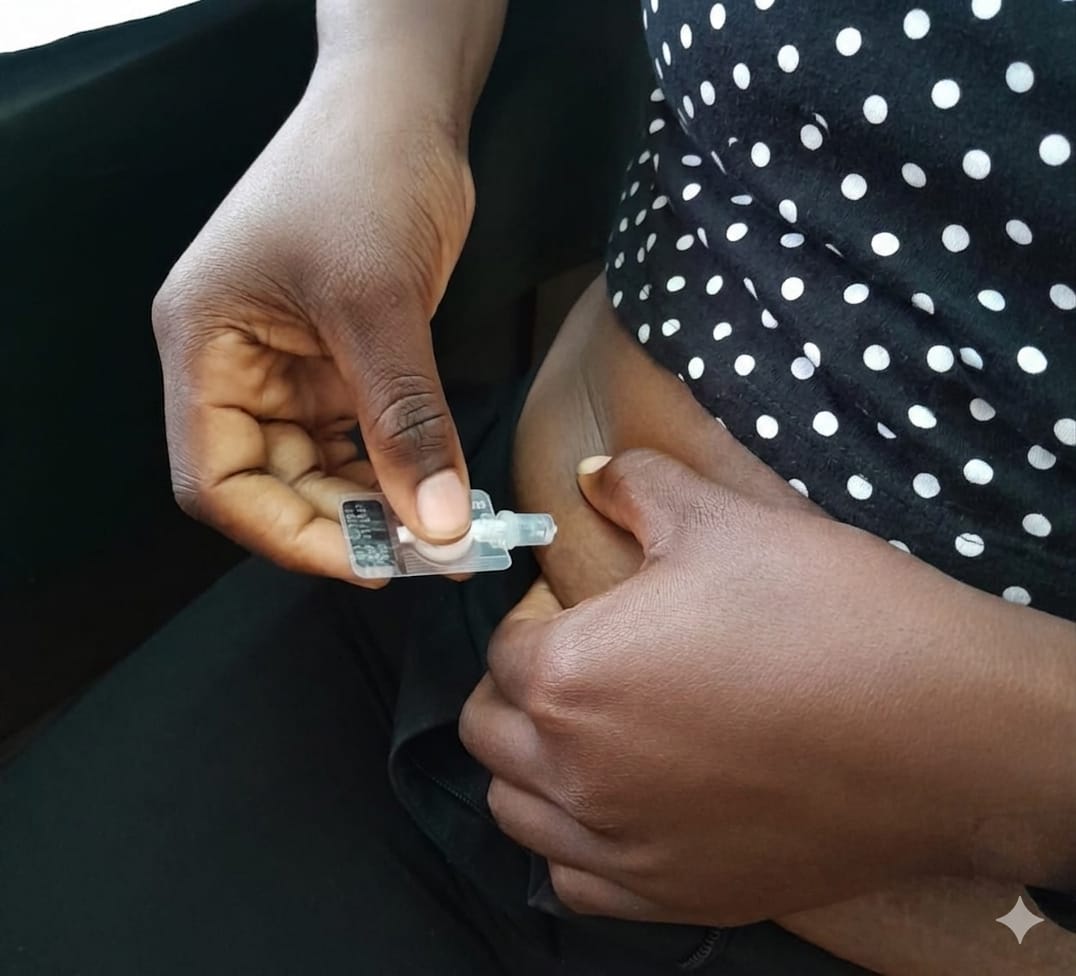
Scaling Up DMPA-SC Self-Injection in Kenya: Progress, Opportunities, and Remaining Gaps
Expanding contraceptive choice and empowering women through self-care
Kenya has made significant progress in advancing access to family planning services over the past two decades. Among the most promising innovations in recent years has been the introduction and scale-up of DMPA-SC self-injection — a contraceptive option that allows women to safely and privately administer their own injectable contraception after appropriate training and support.
DMPA-SC (subcutaneous depot medroxyprogesterone acetate) is a lower-dose injectable contraceptive delivered through a prefilled, easy-to-use device. Self-injection has emerged as a transformative self-care intervention that can improve contraceptive autonomy, expand access to services, and reduce barriers associated with frequent health facility visits. For many women, especially those in underserved and hard-to-reach communities, self-injection offers greater convenience, privacy, and control over their reproductive health choices.
Progress made in Kenya
Kenya has been recognized as one of the early adopters and leaders in advancing DMPA-SC self-injection within Sub-Saharan Africa. Through collaboration between government, development partners, implementing organizations, and county health systems, the country has made notable progress in integrating self-injection into national family planning programs.
Key achievements include:
· Inclusion of DMPA-SC self-injection within national family planning guidelines and policies
· Training of health care providers and community health workers on counseling and self-injection support
· Increased awareness and acceptability of self-care family planning options among women
· Expansion of service delivery through health facilities and community-based distribution channels
· Integration of self-injection counseling into routine reproductive health services
The scale-up of DMPA-SC self-injection has contributed to broader contraceptive choice and strengthened women’s ability to manage their reproductive health independently. Evidence from implementation experiences in Kenya and globally continues to show high levels of satisfaction, continuation, and confidence among women who adopt self-injection.
The role of digital health and continuous learning
As Kenya continues to expand access to self-care interventions, digital health innovations present important opportunities to strengthen DMPA-SC self-injection programs further. Mobile-based learning tools, interactive digital platforms, and conversational digital support systems can help reinforce provider capacity, improve client education, and support continued adherence among self-injecting users.
Digital solutions can support:
· Provider refresher training and mentorship
· Client education on safe self-injection practices
· Appointment and reinjection reminders
· Management of side effects and frequently asked questions
· Community awareness and myth reduction
· Improved data collection and follow-up support
These approaches are especially valuable in settings where access to in-person counseling and follow-up may be limited.
Persistent gaps and challenges
Despite important progress, several challenges continue to affect the scale-up and sustainability of DMPA-SC self-injection in Kenya.
Limited provider confidence and training gaps
Some providers still require additional practical training, mentorship, and supportive supervision to confidently counsel and train clients on self-injection. High staff turnover and competing health priorities can also affect consistency in service delivery.
Commodity availability and supply chain constraints
Stock-outs and inconsistent availability of DMPA-SC commodities remain a challenge in some counties and facilities. Reliable forecasting, procurement, and distribution systems are essential to sustaining access.
Myths, misconceptions, and cultural barriers
Misinformation and stigma around family planning and self-injection continue to influence uptake in some communities. Ongoing community engagement and accurate information dissemination remain critical.
Limited adolescent and youth access
Although self-injection has the potential to improve privacy and autonomy for adolescents and young people, youth-friendly access and counseling remain uneven across many settings.
Follow-up and continuity support
Some women may require additional support after initial training, including reminders for reinjection, guidance on side effects, and opportunities to ask questions. Digital follow-up systems remain underutilized despite their potential benefits.
The future of self-care family planning in Kenya
DMPA-SC self-injection represents more than a contraceptive innovation — it reflects a broader shift toward person-centered, self-care approaches that empower women to make informed reproductive health decisions. As Kenya continues to strengthen its family planning program, investments in provider capacity, digital health innovation, commodity security, and community engagement will be essential to sustaining and expanding access.
At Fadhila Health, we believe that combining digital learning, community-centered engagement, and innovative health solutions can help strengthen self-care interventions such as DMPA-SC self-injection. Supporting women with accurate information, continuous guidance, and responsive health systems is critical to improving reproductive health outcomes and advancing equitable access to family planning services.
Empowering women with safe, informed, and accessible contraceptive choices is not only a health priority — it is fundamental to healthier families, stronger communities, and sustainable development.