
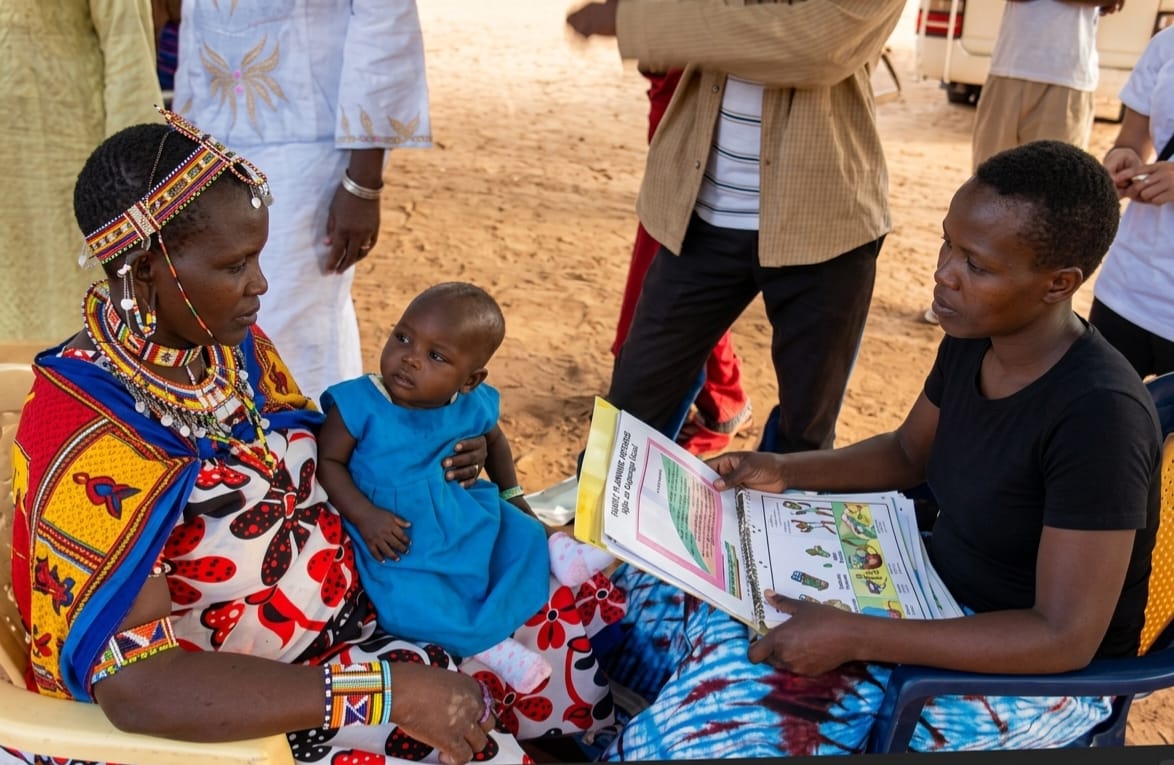
Advancing Maternal and Newborn Care Through Mobile-Based Continuous Learning for Health Care Providers
Strengthening frontline capacity through accessible digital learning
Quality maternal and newborn care depends heavily on the knowledge, confidence, and preparedness of frontline health care providers. Midwives, nurses, doctors, and community health workers play a critical role in identifying complications early, making timely clinical decisions, and providing life-saving care during pregnancy, childbirth, and the postnatal period. Yet across many low-resource settings, health workers often face significant barriers to accessing continuous professional development, up-to-date clinical guidance, and ongoing mentorship.
Traditional approaches to in-service training frequently rely on centralized workshops that are costly, time-consuming, and difficult to sustain at scale. Providers may travel long distances for training, leaving already understaffed facilities with reduced workforce capacity. In many cases, knowledge retention declines over time due to limited opportunities for reinforcement and practical application. As maternal and newborn health challenges continue to evolve, there is an urgent need for more accessible, flexible, and scalable approaches to continuous learning.
Mobile technology is transforming health workforce learning
The rapid expansion of mobile phone access across Africa presents a powerful opportunity to strengthen continuous learning for health care providers. Mobile-based learning platforms are increasingly enabling providers to access training, clinical updates, job aids, and decision-support tools directly from their phones — anytime and anywhere.
Unlike traditional classroom-based training models, mobile learning supports continuous, self-paced engagement that fits within the realities of busy clinical environments. Health workers can revisit learning content when needed, access refresher materials in real time, and receive timely updates on evidence-based practices without leaving their workplaces.
For maternal and newborn care providers, this access to on-demand learning can improve confidence and decision-making in critical moments of care, including:
· Early identification of maternal and newborn danger signs
· Management of postpartum hemorrhage and obstetric emergencies
· Neonatal resuscitation and essential newborn care
· Infection prevention and respectful maternity care
· Antenatal and postnatal care counseling
Supporting real-time decision-making at the point of care
One of the greatest advantages of mobile-based learning is its ability to bridge the gap between knowledge and practice. Digital learning tools can provide real-time clinical guidance and reinforce evidence-based protocols during service delivery. Interactive learning systems, conversational digital assistants, and mobile decision-support platforms can help providers rapidly access accurate information when making clinical decisions under pressure.
This is particularly important in underserved settings where providers may work with limited supervision, inadequate mentorship, or shortages of specialized personnel. Mobile learning platforms can complement existing health systems by extending mentorship, strengthening provider confidence, and improving consistency in quality of care.
When integrated effectively, these tools can also support:
· Continuous professional development
· Peer-to-peer learning and mentorship
· Standardization of clinical practice
· Faster dissemination of updated guidelines and protocols
· Improved referral and escalation processes
Expanding equitable access to learning opportunities
Mobile-based learning also has the potential to address inequities in access to training and professional development. Providers working in remote, rural, or resource-constrained settings are often excluded from regular capacity-building opportunities due to distance, staffing shortages, and financial constraints.
Digital learning platforms can help democratize access to knowledge by bringing high-quality learning resources directly to frontline providers regardless of location. This creates opportunities for more equitable workforce development while strengthening the overall resilience of health systems.
Importantly, mobile learning should not replace face-to-face mentorship and practical clinical experience. Instead, it should complement existing approaches by creating continuous learning ecosystems that support ongoing skills reinforcement, problem-solving, and quality improvement.
The future of maternal and newborn care capacity building
As countries work to reduce preventable maternal and newborn deaths and achieve global health targets, strengthening the health workforce remains essential. Investing in innovative, scalable, and accessible learning approaches will be critical to ensuring that providers are equipped with the knowledge and support needed to deliver safe, respectful, and high-quality care.
At Fadhila Health, we believe that mobile-based continuous learning can play a transformative role in strengthening maternal and newborn care. By leveraging digital innovation, interactive learning systems, and community-centered approaches, we aim to support frontline health workers with timely knowledge, practical guidance, and continuous professional development that improves care for women, newborns, and families across underserved communities.
The future of health workforce capacity building is not only digital — it is continuous, accessible, and responsive to the realities of frontline care.