
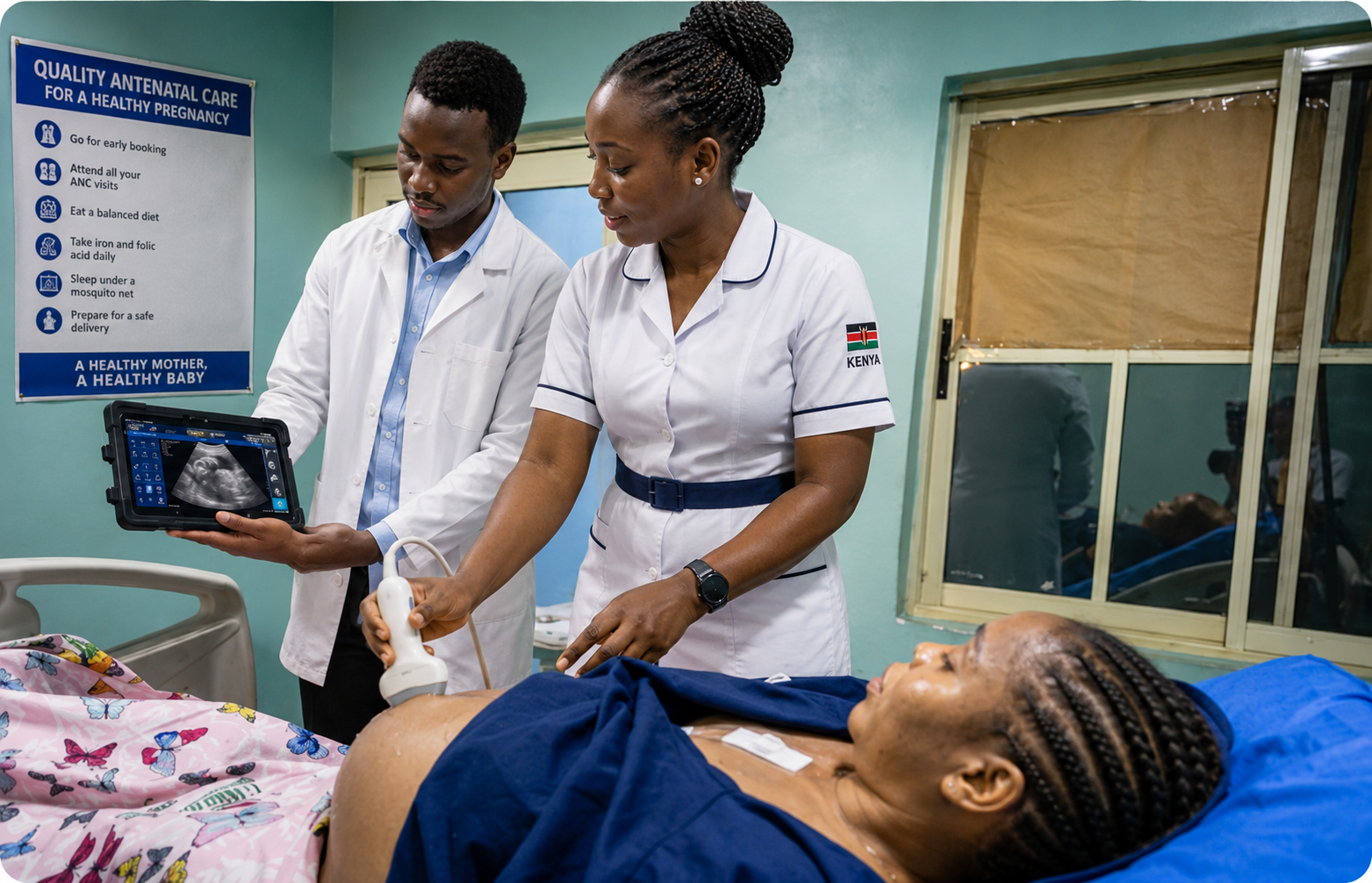
Preventing Postpartum Hemorrhage: Accelerating Access to Life-Saving Solutions for Mothers
Advancing maternal survival through innovation, evidence-based care, and stronger health systems
Every day, women around the world continue to die from preventable complications related to pregnancy and childbirth. Despite significant global progress in maternal health, postpartum hemorrhage (PPH) remains the leading cause of maternal mortality worldwide, accounting for 27% of all maternal deaths. Between 2009 and 2020 alone, PPH contributed to an estimated 70,000 maternal deaths annually from nearly 14 million cases worldwide. The burden is greatest in low- and lower-middle-income countries, with Sub-Saharan Africa accounting for nearly 69% of PPH-related deaths.
These statistics underscore the urgency of achieving Sustainable Development Goal (SDG) 3.1, which aims to reduce the global maternal mortality ratio to less than 70 deaths per 100,000 live births by 2030. Yet, more than 60 countries remain off track to meet this target. For women, families, and communities, the consequences of PPH extend beyond mortality — affecting long-term health, economic stability, and the resilience of health systems already under pressure.
Prevention remains the first line of defense
Preventing postpartum hemorrhage is one of the most effective ways to protect women during childbirth. Timely access to quality maternal care, skilled providers, and essential medicines can significantly reduce preventable deaths and complications. Approximately 70% of PPH cases are caused by uterine atony — a condition where the uterus fails to contract effectively after birth. Fortunately, uterine atony is both preventable and treatable using proven clinical interventions and evidence-based best practices.
Oxytocin remains the gold standard and WHO-recommended first-line medicine for preventing PPH caused by uterine atony. However, oxytocin requires consistent cold-chain storage to maintain its effectiveness. In many low-resource settings where cold-chain systems are weak or unreliable, ensuring access to quality-assured uterotonics remains a major challenge. Alternative uterotonic agents such as misoprostol and heat-stable carbetocin provide important options in settings where cold storage cannot be guaranteed, yet adoption and scale-up of these interventions have remained slow despite updated global recommendations.
Innovation and evidence-based interventions can save lives
Recent advancements in maternal health research continue to demonstrate that innovative and evidence-based interventions can dramatically reduce maternal deaths from PPH. Technologies such as non-pneumatic anti-shock garments (NASGs) have shown promising results in reducing blood loss and improving survival among women experiencing severe bleeding. Although clinical evidence supporting NASG use has existed for years, implementation and scale-up across many low-resource settings remain limited.
In 2023, findings from the E-MOTIVE trial demonstrated that early detection of blood loss combined with a bundled first-response treatment approach reduced severe postpartum hemorrhage by more than 60%. The approach included early blood-loss measurement, uterine massage, administration of oxytocin and tranexamic acid (TXA), intravenous fluids, and rapid escalation of care when necessary. These findings reinforce the importance of strengthening provider capacity, ensuring reliable supplies of essential commodities, and improving early identification and response systems within maternity care.
The role of digital health and continuous learning
Strengthening maternal health outcomes requires more than commodities alone. Health systems must also invest in provider training, continuous learning, timely decision-support, and improved access to trusted information for frontline health workers and communities.
Digital health innovations have the potential to bridge critical gaps in maternal health care delivery by supporting real-time guidance, provider mentorship, and community awareness. Interactive digital learning platforms, mobile health tools, and decision-support systems can help frontline providers rapidly identify danger signs, improve adherence to evidence-based protocols, and support timely referrals. At the community level, digital platforms can empower women and families with life-saving maternal health information before, during, and after childbirth.
Moving from evidence to action
The evidence is clear: maternal deaths from postpartum hemorrhage can be significantly reduced through prevention, early detection, timely treatment, and stronger health systems. However, accelerating progress will require sustained political commitment, financing, and coordinated action to scale proven interventions where they are needed most.
Governments, partners, health systems, innovators, and communities all have a role to play in ensuring that every woman has access to safe, respectful, and high-quality maternity care. Investing in evidence-based maternal health solutions — including digital innovations, provider capacity strengthening, and reliable access to life-saving commodities — is essential to improving maternal survival and advancing health equity across underserved communities.
At Fadhila Health, we believe that combining community-centered approaches, continuous learning, and transformative digital health solutions can help close persistent gaps in maternal care and contribute to healthier futures for women, newborns, and families across Africa.